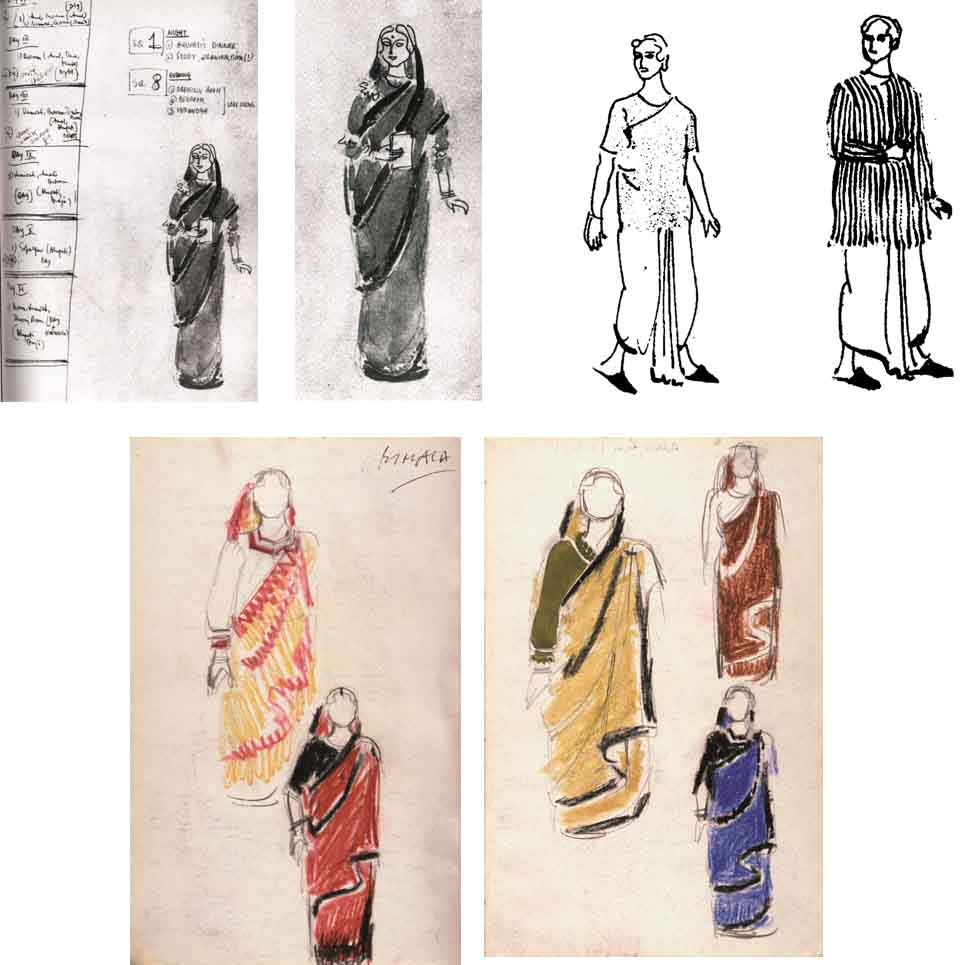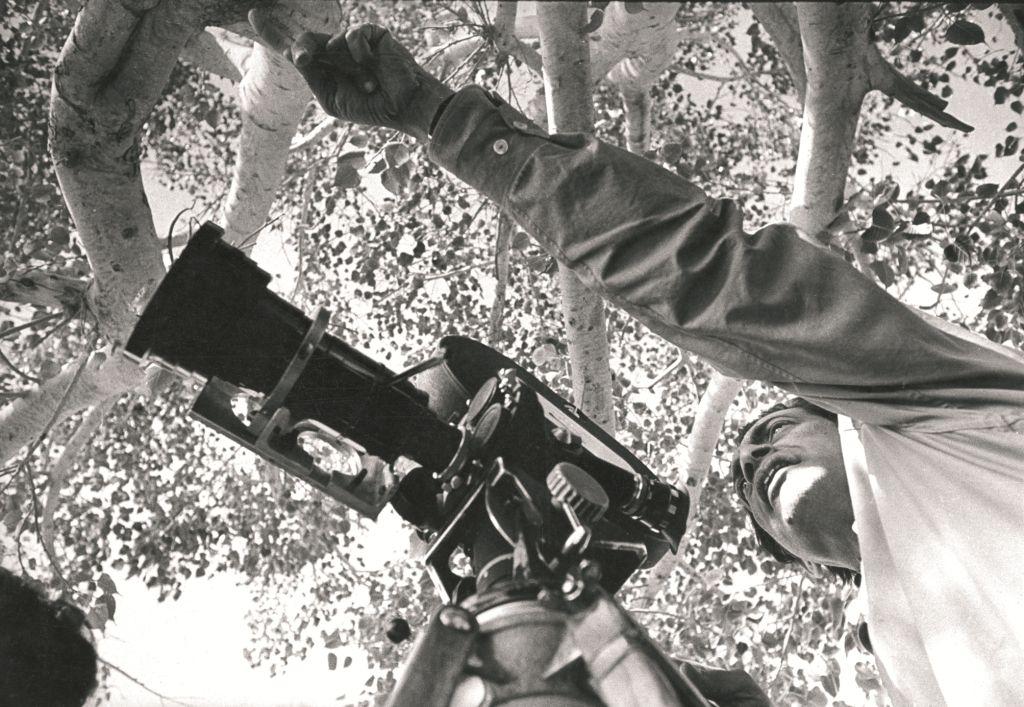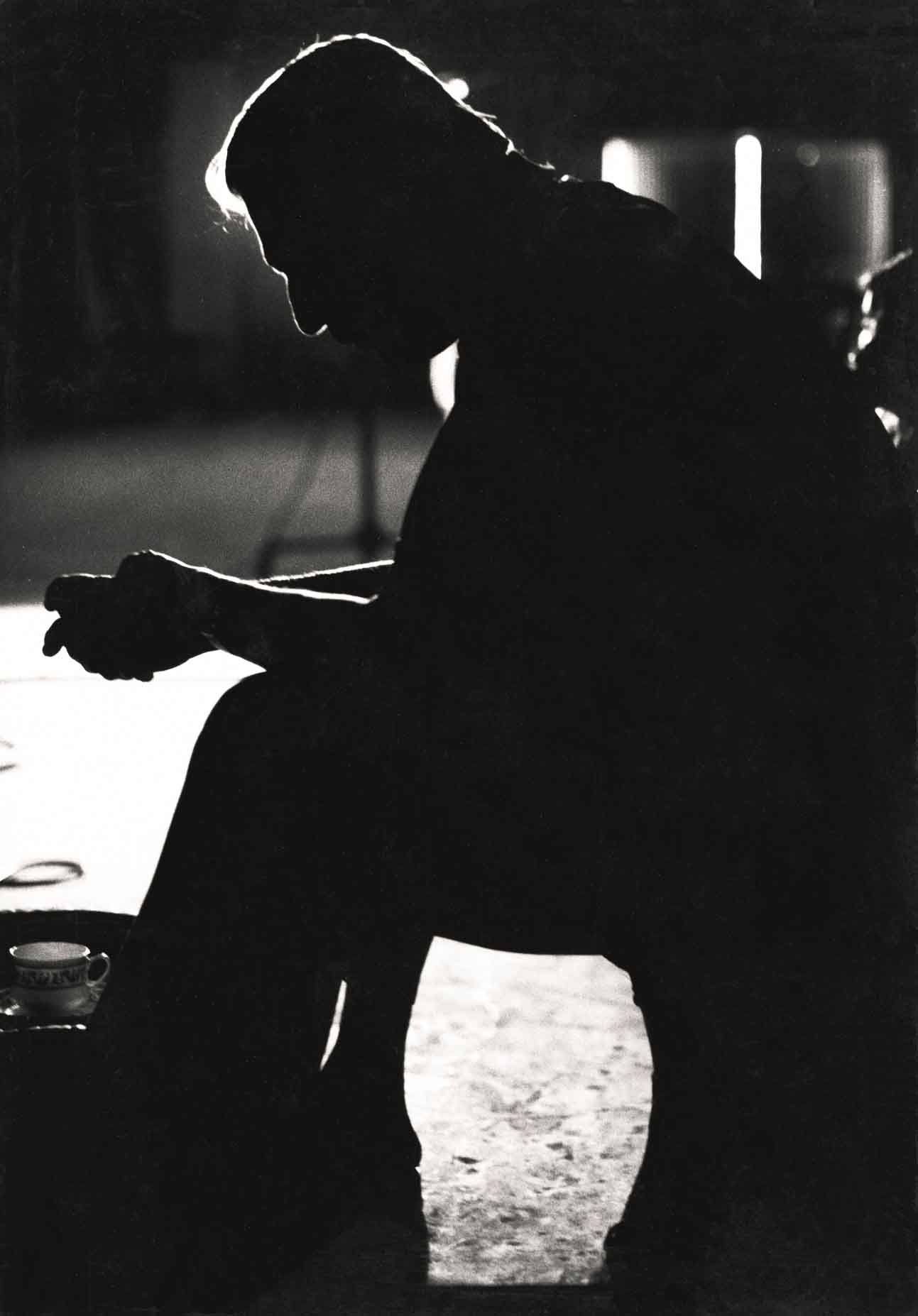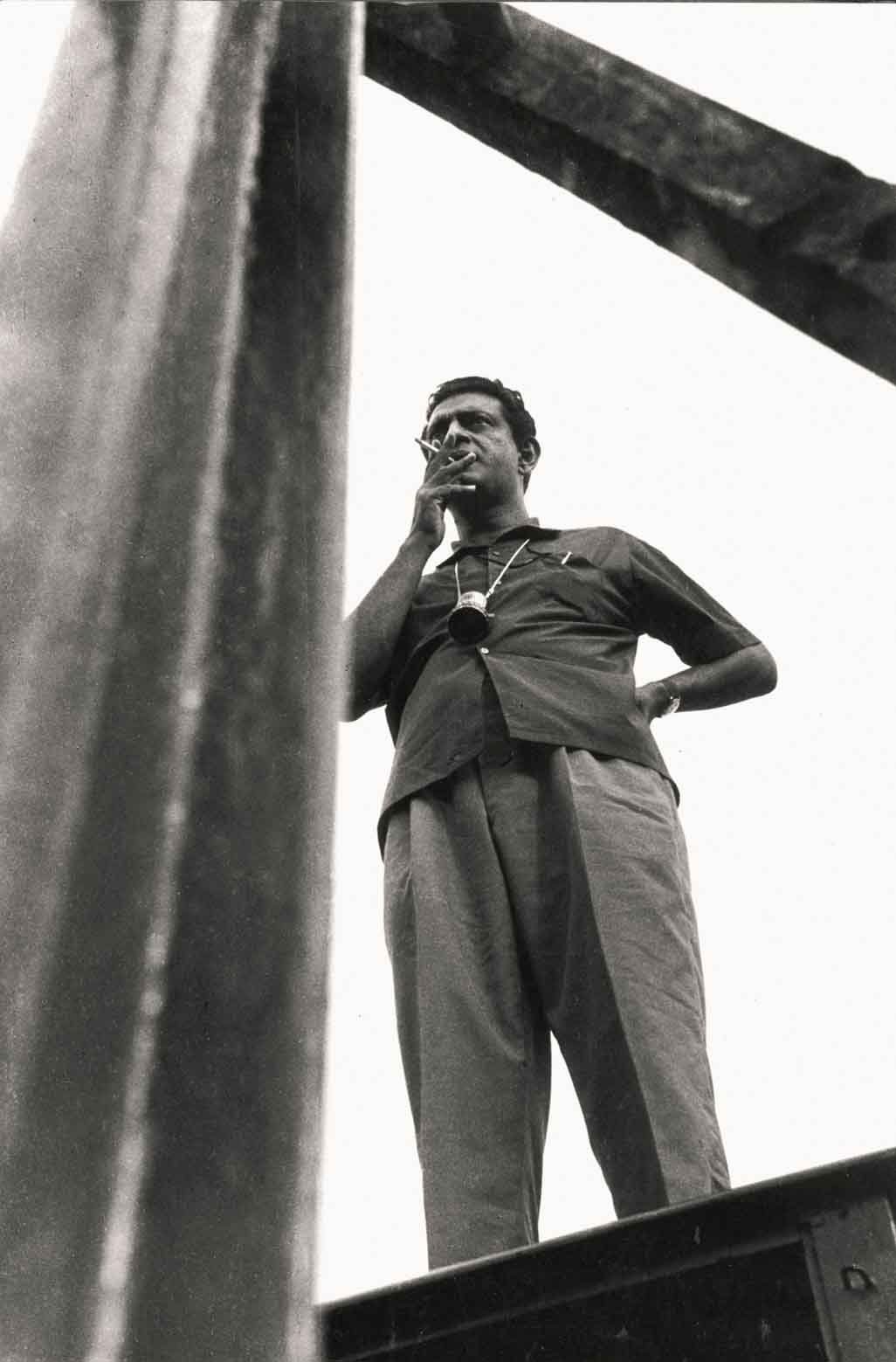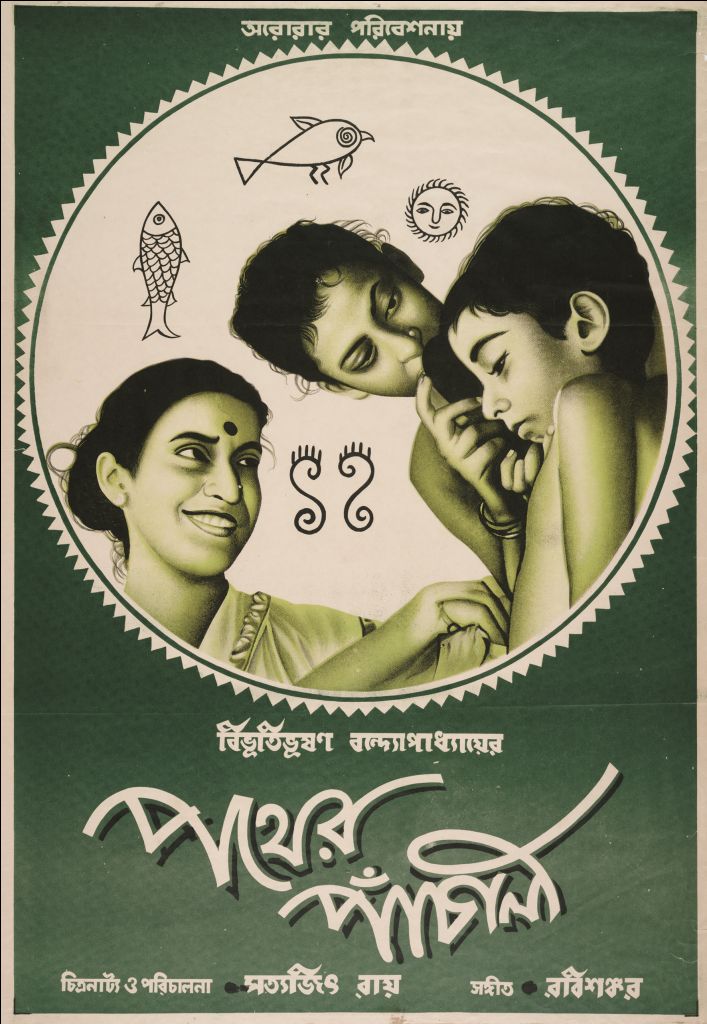

Ray was an artist of prodigious versatility; for this reason, the exhibition brings together for the first time material from all the artistic disciplines in which he expressed himself. Not only photographs of the director himself, but also his drawings, the costume designs he created and with which he changed Indian clothing trends, the music he composed for his films, in which he fused his own compositions with Western classical music (he had the largest collection of classical music in India), posters he designed, sketches of his scripts, costumes, photographs of his films and of Ray himself, taken by Tarapada Banerjee, Marc Ribou and Hirak Sen, as well as videos and films about Satyajit Ray.
This is a unique opportunity to discover Ray’s universe beyond clichés. Ray heralded what contemporary India would be and all its social phenomena: the attraction of East and West, the struggle between tradition and modernity, the new role of more independent women in Indian society. The phenomenon of extreme urbanisation and rural impoverishment.
Satyajit Ray is considered the father of Indian cinema and one of the twelve masters of world cinema (alongside Kurosawa, Visconti, Fellini and Bergman). He was born in Calcutta in 1921 into a Brahmin family, but had a difficult childhood after losing his father at the age of two. He was first a cartoonist, musician, philosopher and worked in advertising; he soon became passionate about cinema (his tastes ranged from John Ford to Italian neorealism) and in 1947 he founded the Film Society, a kind of film forum where all foreign art films were screened, from the Nouvelle Vague to those from the birth of American cinema and Russian cinema. He made his first feature film, Pather Panchali, in 1955, which was based on a famous Bengali novel. His subsequent projects, Aparajito and Apur Sansar, which would make up the well- known ‘Apu Trilogy’, were a worldwide success.
His films founded a new realistic-poetic genre, moving away from the fashion of Bollywood and the tastes of Hollywood and anchored in authentic Indian cultural and social reality.
Ray made 36 films, short films and documentaries, all in Bengali. The master of emotions captured the complexity of his country with true passion, with an understanding and strength that had universal appeal and influenced Kurosawa, Elia Kazan, James Ivory and Martin Scorsese. He died in his hometown in 1992, three weeks before receiving the Academy’s Honorary Oscar.